Near-Stabilization Financing
Rate lock to permanent financing during lease-up for new multifamily properties
Finance today, confidence for the future
Lock into low-cost, long-term financing earlier in the lease-up process. Fannie Mae’s Near-Stabilization execution provides permanent, non-recourse financing for newly constructed multifamily properties that have started leasing but have not yet achieved stabilized physical occupancy. Refinancing early allows borrowers to pay off higher cost construction debt sooner, freeing capital for future business development.
Flexibility, certainty, and 120 days to stabilize physical occupancy
Only Fannie Mae Near-Stabilization executions combine the speed and certainty of achieving permanent financing during lease-up with the flexibility of fixed- and variable-rate options with terms from 5 to 15 years.
Your dedicated representative is available to help get you started.
Restoring cashflow: How Near-Stabilization works







Longer lease-ups can be considered on certain transactions.
Benefits of securing financing early
Free up cashflow
Replacing high-cost construction debt with permanent financing frees up capital for further business development.
Rate-lock certainty
Plan with confidence for the next opportunity knowing that financing is secured. Rate lock up to 120 days before stabilized physical occupancy (typically a minimum of 75% of units, with lower physical occupancy levels selectively considered).
Faster execution
For quicker closings and smoother transactions, our Delegated Underwriting and Servicing (DUS®) Lenders can make most deal decisions directly for each borrower’s goals. As DUS deal is a done deal.
Competitive pricing and terms
Fixed- and variable-rate options are available with terms from 5 – 15 years, and amortization up to 30 years, all with life of the loan servicing.
Non-recourse financing
No additional collateral is required, reducing borrower risk and improving balance sheet flexibility. There are similar carve-outs for standard conventional DUS transactions.
Is your deal eligible?
Affordable housing properties
Conventional and multifamily affordable housing properties in strong nationwide markets.
Early in lease up
Partially leased, newly constructed properties. Recently renovated communities can be considered for select transactions.
Experienced borrowers
Borrowers must have a demonstrated lease-up track record.
Borrowers' stories: From construction to conversion

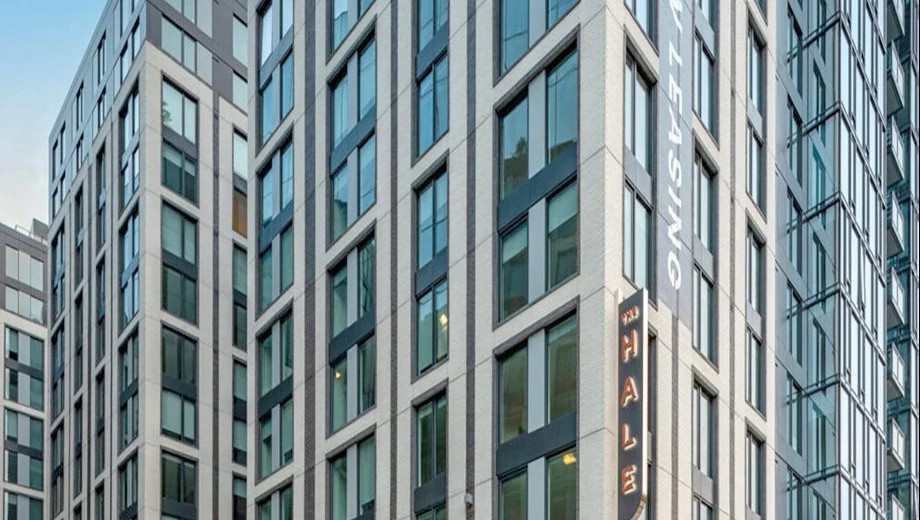
The Hale
Combining Near-Stabilization with our Sponsor-Dedicated Workforce (SDW) initiative.